Planning a Basement Wet Bar: Layout, Plumbing, and Permit Essentials
You finally cleared out the basement storage and started picturing a real bar down there, a spot for game nights, holiday gatherings, maybe a quiet drink after a long week. Then you started researching sink placement, drain lines, and whether you actually need approval for any of this, and the excitement turned into a long list of questions nobody warned you about.
Here is the short version. A basement wet bar comes down to three things working together from day one: your layout, your plumbing connections, and the approvals that keep your inspection clean. Skip planning any one of these and you end up redoing finished work later, sometimes opening up a wall to fix a drain line that should have been mapped out before the first stud went in.
Start With the Plumbing, Not the Layout Board
Start With the Plumbing, Not the Layout Board
Most people design a wet bar the way they would design a kitchen island, picking finishes and seating first. That order causes the most rework we see. Plumbing access should drive every other decision.
- Find your nearest existing waste line, supply line, and vent stack before you sketch anything.
- Decide whether you are tying into an existing drain run or adding a new branch line.
- Confirm your basement floor has enough depth below the slab for proper drain slope, usually a quarter inch of fall per foot of run.
- Plan your sink location around that slope, not the other way around.
- Map outlet and lighting locations only after plumbing is locked in.
TIP: Walk your basement with a flashlight and locate your main waste stack and nearest cleanout before calling anyone for an estimate. Knowing how far your planned sink sits from that stack will tell you almost immediately whether your project is simple or whether you are looking at a more involved drain extension.
WARNING: Never tap into an existing drain line or run new electrical near your sink area without confirming the circuit has ground fault protection. Water and unprotected outlets in a finished basement are a shock hazard, and this is one area where guessing is not worth the risk.
Where Your Sink and Drain Actually Need to Go
Your drain line location, not your design board, decides where your sink can realistically sit. Gravity moves wastewater, and a basement sink usually sits below the main sewer line, which means you are working with one of two setups, a gravity fed line that ties in above the main stack, or an ejector pump system that lifts wastewater up before it can drain out. About one in three basement bar projects we look at needs a small ejector pump because the sink sits too low for gravity drainage alone.
Vent placement matters just as much as the drain itself. Without a properly vented line, your sink will gurgle, drain slowly, and eventually let sewer gas creep back into your space. We have opened up more than a few finished bars where the vent was skipped to save a step, and the smell complaint always comes within the first year.
Choosing a Layout That Actually Works for How You Entertain
Your bar layout should match how many people you actually host, not how the photo looked online. A straight run against one wall works well in narrower basements and keeps plumbing simple since everything ties into one wall cavity. An L shaped layout gives you more counter space and a natural spot for a small fridge, but it usually means running supply and drain lines around a corner, which adds labor. A wet island, where the bar sits away from any wall, looks great but is the most expensive plumbing path since every line has to run underground or through a raised platform to reach it.
If your basement has a low ceiling, and most do, plan your upper cabinets and any pendant lighting with at least seven feet of clearance so the space does not feel boxed in once the bar is built out.
Permit Basics Most Homeowners Skip
Getting your plumbing and electrical work reviewed before it is covered by drywall saves you from costly surprises down the line. Once a basement bar is finished, that review window closes, and any problem hiding behind the wall becomes a demolition job instead of a quick fix.
A basement bar with a sink, drain, and dedicated outlets typically needs separate plumbing and electrical sign off, even if the work seems minor. This is not about red tape. An inspector checking your drain slope, vent connection, and outlet protection is catching the exact issues that cause slow drains, gas odors, and shock hazards years later. Homeowners who skip this step almost always find out the hard way when they go to sell the house and a home inspector flags unpermitted plumbing.
How We Approach a New Wet Bar Build
On a typical first visit, we start by locating your main stack, checking your basement slab depth, and testing water pressure at the nearest existing fixture. From there we walk through your layout goals and figure out whether gravity drainage will work or whether an ejector pump makes more sense.
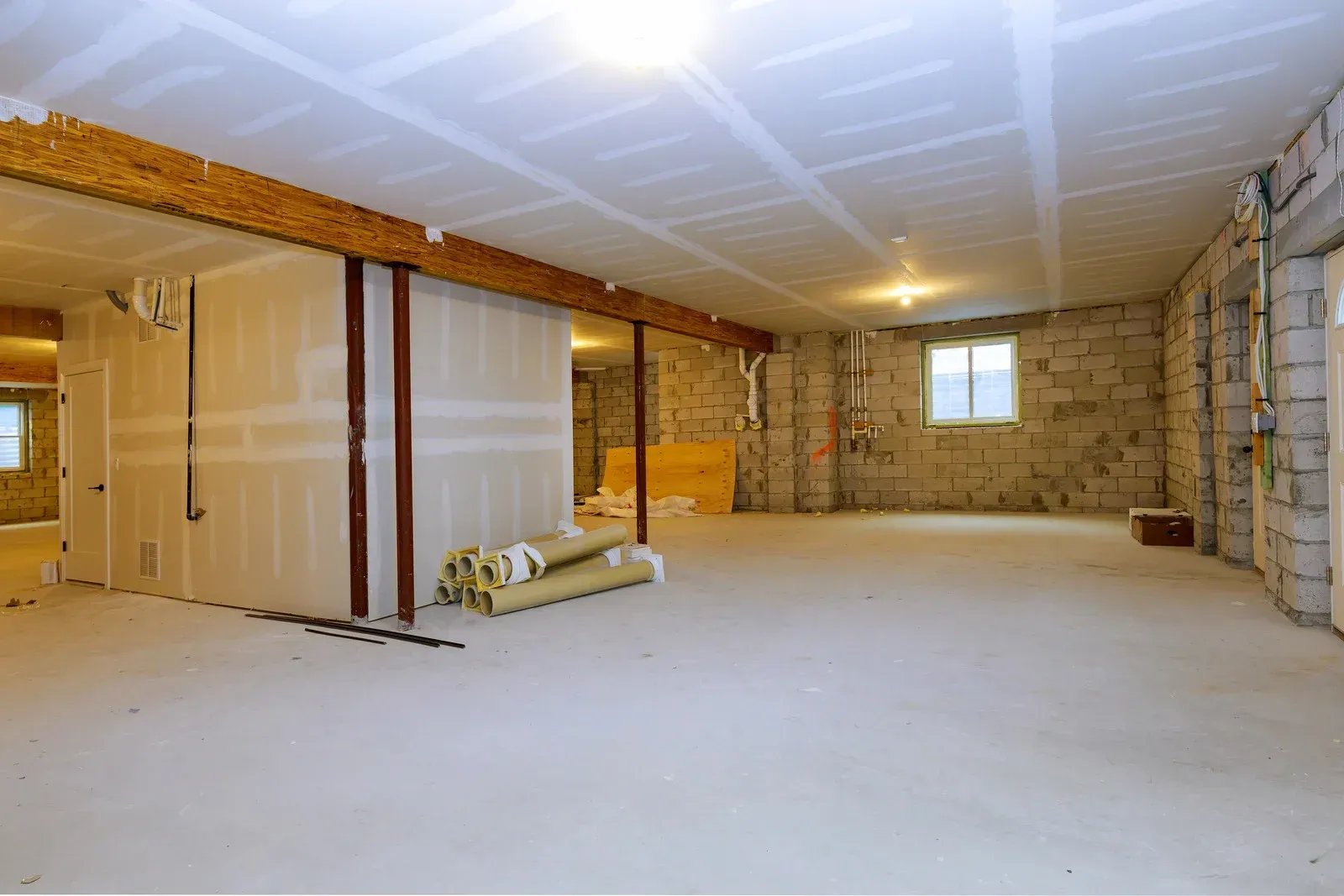
After inspecting hundreds of basement layouts over the years, the most common surprise is slab depth. Many basements only have a few inches of usable depth before hitting bedrock or a structural footing, which limits where a gravity drain can physically go. We would rather find that out with a level and a flashlight on day one than after cabinets are installed.
Common Mistakes That Turn Into Costly Rework
Picking a sink location before checking drain slope is the single biggest mistake we run into, and it happens for a reasonable reason, most people design visually first. The fix almost always means moving the sink or adding a pump system after the fact.
Skipping the vent line to save a step is another one. It feels like a shortcut with no downside until the drain starts gurgling or odors show up months later.
Undersizing the electrical circuit is common too, especially when a fridge, ice maker, and lighting all end up sharing one outlet. Give your bar its own dedicated circuit from the start rather than splitting an existing one.
Keeping Your Wet Bar Running for Years
Run water through your sink at least once a week even if the bar sits unused, since a dry trap is the fastest way to let sewer odor into your basement. Check under the sink every few months for slow leaks at the supply lines, since basement leaks often go unnoticed until they have already damaged flooring. Once a year, run a drain cleaning solution through the line to keep grease and debris from building up, and have your sump or ejector pump tested if your setup includes one, especially before winter when basement moisture tends to climb.
Frequently Asked Questions
Do I need a sink with a garbage disposal in a basement bar?
Most basement bars skip a disposal since it adds load to a drain line that may already need a pump to move waste uphill. A simple strainer basket handles ice and fruit scraps just fine for typical bar use.
How long does a basement wet bar project usually take?
A straightforward layout with nearby existing plumbing often wraps up in under two weeks. Add an ejector pump, new venting, or electrical panel work and the timeline can stretch to three or four weeks depending on inspection scheduling.
Can I use a mini fridge instead of running new water lines?
Yes, and many homeowners start this way, adding a sink and full plumbing later. Just plan your electrical and cabinet layout now so adding water lines down the road does not require tearing anything out.
Is it safe to put a bar sink near electrical outlets?
It is safe only when outlets near the sink have ground fault protection. This is one of the few areas in a basement build where we strongly recommend against any shortcuts.
What is the most overlooked part of basement bar planning?
Drain venting. A bar sink without a proper vent will work fine for a few months, then start gurgling and eventually let odor back into the room, which almost always means opening the wall to fix it correctly.
Reliable Craftsmanship for Your Basement Bar Project
The principle behind every successful basement wet bar is the same: plan your plumbing path before you plan your cabinets, and get your work reviewed before it disappears behind drywall. Basements in our region tend to run damper and colder than the rest of the house for most of the year, which makes proper drain venting and pump reliability even more important here than in an above grade kitchen.
If you are ready to turn your basement into a space you actually use, Gerrish Remodeling & Design
has spent 15
years building out basements across Saco, Maine. We would be glad to walk your space, check your slab depth and drain access, and give you a clear plan before any wall comes down.