Basement Bathroom Plumbing 101: Up-Flush Systems vs. Traditional Drainage
Basement bathroom plumbing plays a critical role in unlocking the full usability of below-grade living spaces. Without the right drainage strategy, a basement bathroom can quickly turn into a costly and inefficient installation, often plagued by backups, weak flow, or code compliance issues. Two primary systems dominate this space: up-flush systems and traditional gravity-based drainage. Understanding how each system functions is essential for making informed decisions during basement remodeling or new construction planning.
In modern home improvement and basement finishing projects, homeowners are increasingly looking to maximize square footage by adding functional bathrooms. However, below-ground installations present unique challenges because wastewater cannot naturally flow upward into the main sewer line without assistance. This is where plumbing system selection becomes a defining factor in both performance and long-term reliability. Choosing between an up-flush system and traditional drainage is not just a technical decision—it directly impacts installation cost, maintenance needs, and overall efficiency. A well-planned approach ensures proper waste management while avoiding structural complications. This guide breaks down both systems in detail to help simplify that decision-making process.
Understanding Basement Bathroom Plumbing Fundamentals
Gravity-Based Drainage Explained
Traditional plumbing systems rely on gravity to move wastewater from fixtures to the main sewer line. This method works efficiently when bathroom fixtures are installed above or at the same level as the sewer connection. In basement environments, however, gravity drainage becomes challenging because wastewater must travel upward to reach the municipal line, making the system less effective in basement spaces.
Limitations in Below-Grade Installations
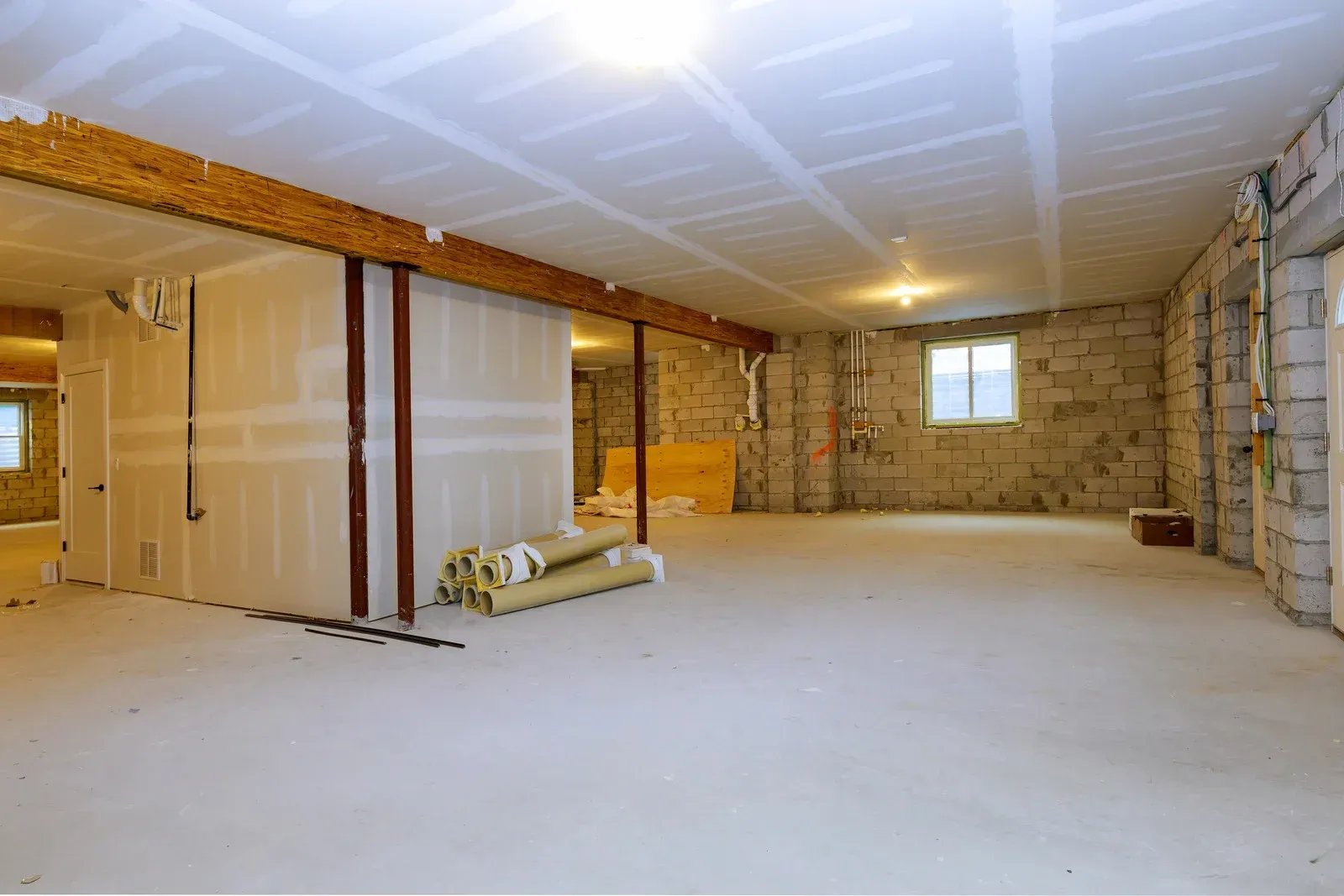
Basements sit below the main sewer exit point, which creates a natural barrier for drainage flow. Installing traditional systems in such conditions often requires extensive excavation or below-floor plumbing routing. This increases labor intensity and structural disruption, making it less practical in finished basement projects. Additional planning and engineering adjustments are required to overcome elevation and drainage constraints effectively.
When Traditional Systems Still Work
Despite limitations, gravity systems remain ideal when basement floors are elevated or when new construction allows pre-planned drainage slopes. In such cases, long-term reliability and low maintenance make traditional systems highly desirable. These installations are especially effective in new builds where plumbing design can be integrated into the structural planning phase from the beginning without major constraints or modifications required.
Up-Flush Systems: Modern Basement Solution
How Up-Flush Technology Works
Up-flush systems use a macerator pump to grind waste and pump it upward into the main drainage line. Instead of relying on gravity, these systems actively transport wastewater through pressurized discharge lines, making them highly suitable for below-grade installations. This mechanism allows bathrooms to function efficiently even when located beneath the municipal sewer level in residential settings without major excavation required.
Key Components and Design
A typical up-flush system includes a macerating unit, discharge pipe, vent connection, and power supply. Waste from toilets, sinks, or showers enters the unit, where it is liquefied before being pumped upward. This compact design eliminates the need for extensive floor excavation. It provides a space-saving plumbing solution that is ideal for retrofitting finished basement bathroom environments with minimal disruption overall.
Advantages of Up-Flush Systems
Up-flush systems offer flexibility in bathroom placement, especially in finished basements where breaking concrete floors is not desirable. Installation is faster, less invasive, and generally more cost-effective compared to traditional drainage retrofits. These systems also allow multiple fixtures to connect to a single pumping unit. This makes them suitable for compact layouts and secondary basement bathroom installations, especially in residential homes.
Potential Drawbacks to Consider
Despite convenience, up-flush systems depend on electricity, making them vulnerable during power outages. Mechanical components also require periodic maintenance. Noise from the pump operation may be noticeable in quiet basement environments. These limitations should be considered when selecting a system, especially in areas where a reliable power supply and sound control are critical for comfort and continuous usability in basement settings overall.
Traditional Drainage Systems in Basements
Structural Requirements for Installation
Traditional drainage in basements typically requires cutting into the concrete slab to install proper pipe slopes. This ensures wastewater can flow naturally toward the main sewer line. The process involves precise engineering to maintain correct gradient levels. This work requires careful planning, skilled labor, and accurate measurements to ensure long-term drainage efficiency and prevent structural issues after proper installation completion.
Performance and Reliability Benefits
Once installed correctly, gravity-based systems offer excellent long-term durability. With fewer mechanical components, the system has a lower risk of breakdowns and typically requires minimal maintenance over time. This makes gravity systems highly reliable for long-term use in basement applications where consistent performance, durability, and reduced maintenance demands are essential for homeowners seeking stability and efficiency over extended periods.
Challenges in Basement Applications
The major drawback is installation complexity. Excavation, concrete removal, and structural adjustments can significantly increase project timelines and costs. Improper slope design may also lead to drainage issues or sewage backflow. These challenges often require experienced professionals and careful planning to avoid costly mistakes and ensure proper system functionality in below-grade installations throughout the entire construction process for the best results.
Code Compliance Considerations
Local plumbing codes often dictate minimum slope requirements and venting standards. Ensuring compliance during installation is critical to avoid future inspection issues or system failures. Proper adherence to regulations ensures safe and efficient system performance while preventing legal complications, costly rework, and operational problems that may arise from non-compliant plumbing installations in basement environments.
Cost, Maintenance, and Long-Term Value Comparison
Installation Costs Breakdown
Up-flush systems typically have lower upfront installation costs due to minimal structural modification. Traditional systems, while more expensive initially, may offer better long-term value in full-scale construction projects. Cost differences often depend on project complexity, accessibility, and labor requirements, with long-term value influenced by durability, maintenance needs, and system efficiency over time, considered across the lifespan of the system overall impact.
Maintenance Requirements
Up-flush systems require periodic inspection of pumps, seals, and electrical components. Traditional systems mainly require occasional drain cleaning and inspection, making them less maintenance-intensive over time. Routine upkeep schedules vary depending on system type, usage frequency, and environmental conditions, with mechanical systems typically requiring more attention than passive gravity-based drainage solutions in residential settings for optimal long-term performance.
Durability and Lifespan
Gravity-based systems generally last longer due to fewer moving parts. Up-flush systems depend on mechanical pumps, which may require replacement after several years, depending on usage intensity. System longevity is influenced by installation quality, maintenance practices, and operational demand, with gravity systems offering extended lifespan advantages compared to mechanically driven alternatives in most residential applications over extended use periods.
Energy and Operational Considerations
Up-flush systems consume electricity, adding a minor operational cost. Traditional systems operate passively, making them more energy-efficient in the long run. Energy consumption differences can influence long-term household expenses, especially in regions with high utility costs, where passive drainage systems provide a more cost-effective and sustainable solution for continuous wastewater management in basement environments over extended usage periods overall efficiency gains.
Real-World Decision Scenario
In a finished basement renovation with limited access to plumbing infrastructure, an up-flush system offers practical advantages. In contrast, during a full basement excavation project, investing in traditional drainage may provide better long-term stability and reduced maintenance. Decision outcomes depend on structural conditions, budget limitations, and desired performance, with each system offering distinct advantages based on installation context and future maintenance expectations overall.
Choosing the Right System for Your Basement Bathroom
Evaluating Structural Constraints
Accurate system selection requires a detailed plumbing assessment. Evaluating slope feasibility, pipe routing, and structural limitations ensures the chosen system performs efficiently without future complications. This process helps identify installation challenges early, allowing professionals to design effective solutions that optimize system performance, reduce costs, and prevent structural or drainage issues in basement environments before construction begins for optimal results overall planning.
Budget and Project Scope Considerations
Budget plays a significant role in system selection. Smaller renovation projects often favor up-flush systems due to lower installation costs, while larger construction projects may benefit from traditional drainage systems. Financial planning must account for both upfront costs and long-term maintenance requirements, ensuring the selected system aligns with project scope, durability expectations, and long-term performance needs over time with ease for best outcomes overall.
Usage Frequency and Purpose
Bathroom usage patterns significantly influence system choice. High-traffic bathrooms require durable, low-maintenance systems, while occasional-use spaces can function effectively with up-flush technology. Early design decisions provide long-term flexibility, allowing homeowners to adapt basement layouts efficiently while avoiding expensive rework, system replacements, or structural alterations during future development projects over time with ease for the best outcomes overall.
Trusted Basement Remodeling Experts for Complex Plumbing Solutions
Basement bathroom plumbing requires careful planning because drainage limitations directly influence system performance and installation feasibility. Up-flush systems provide flexibility and simplified installation, while traditional drainage offers long-term reliability when structural conditions allow gravity-based flow. Proper evaluation ensures efficient wastewater management and prevents costly plumbing issues in the future. A well-designed basement bathroom enhances property value, improves livability, and creates a functional living space that integrates seamlessly with the rest of the home.
Gerrish Remodeling & Design
brings structured expertise to basement and home remodeling projects with a strong focus on practical plumbing integration and space optimization. Based in Saco, Maine, and backed by 15
years of hands-on experience, we specialize in transforming underutilized basements into fully functional living areas. Our approach emphasizes precision planning, code-compliant installations, and long-term performance reliability. Our commitment is to deliver dependable remodeling outcomes that enhance comfort, usability, and overall property value through thoughtful engineering and skilled execution.