Unfinished Basement? Here's How Much Living Space You're Leaving on the Table
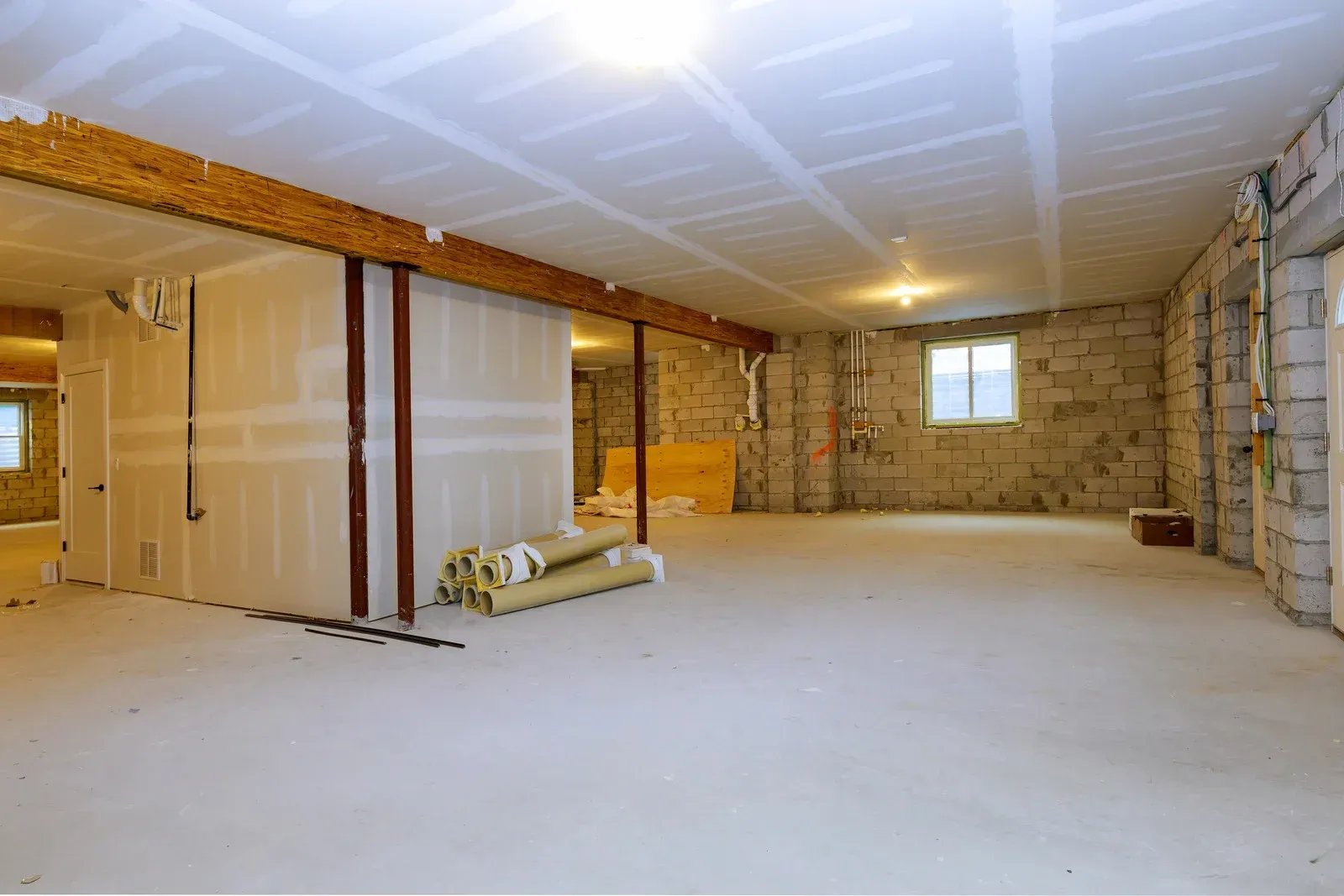
An unfinished basement represents one of the most overlooked opportunities in residential property design. In many homes, this lower-level space is left underutilized, often reduced to storage or mechanical use, despite having the structural potential to become a fully functional living space. As housing needs evolve and property values continue to rise, maximizing every square foot has become a practical necessity rather than a luxury. Converting an unfinished basement into usable space can significantly enhance both comfort and long-term property value, making it a strategic investment for homeowners.
From a construction and remodeling perspective, basements offer a unique foundation for expansion without altering the home’s footprint. This makes them especially valuable in regions where outward additions may be restricted or cost-prohibitive. Whether the goal is to create additional bedrooms, a home office, an entertainment area, or a rental unit, the basement provides a flexible canvas for customization. However, unlocking this potential requires careful planning, structural awareness, and design expertise to ensure safety, functionality, and compliance with building standards.
Understanding what is possible within an unfinished basement is the first step toward transforming wasted square footage into meaningful living space that enhances daily life and property performance.
Understanding the True Value of Basement Conversion
Hidden Square Footage Potential
An unfinished basement often contains hundreds or even thousands of square feet that are not considered livable space in a home’s official layout. When properly developed, this area significantly increases usable living space without expanding the building footprint. This transformation also improves property valuation, making basement remodeling one of the most cost-effective and impactful home improvement investments available for homeowners today overall.
Financial and Functional Return
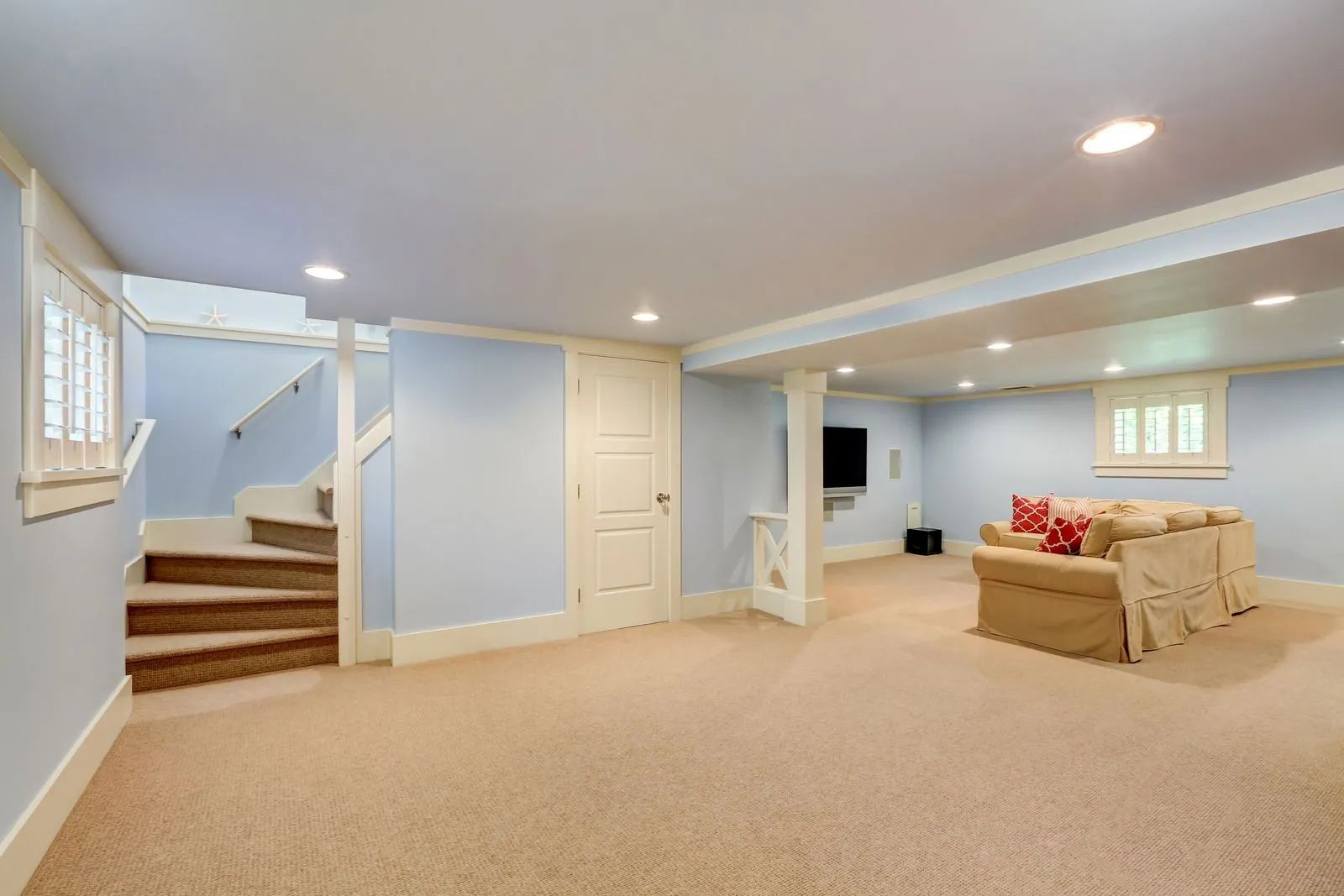
Converting a basement delivers more than additional rooms; it enhances overall property efficiency and usability. A finished basement can support rental income, guest accommodation, or flexible family activities. This versatility strengthens long-term financial return while improving daily living convenience. Homeowners benefit from expanded functional space that adapts to changing needs without requiring structural expansion or major exterior modifications in modern residential property design.
Market Demand Advantage
Homes with finished basements consistently attract stronger buyer interest in competitive real estate markets. Additional living space often becomes a key deciding factor during purchase decisions. A well-designed basement can position a property above comparable listings, increasing demand and resale value. Buyers perceive finished basements as added flexibility, comfort, and long-term investment value within the home for prospective property buyers considering investment.
Structural Readiness and Planning Considerations
Moisture and Waterproofing Assessment
Before any design work begins, evaluating moisture conditions is essential in basement spaces. Basements are naturally prone to humidity and water intrusion, which must be addressed through drainage systems, sealants, and vapor barriers. Ignoring these conditions can compromise long-term durability and structural integrity, leading to costly repairs and reduced usability of the finished living environment, ensuring safe and lasting basement performance outcomes.
Ceiling Height and Layout Feasibility
Ceiling height plays a critical role in determining how a basement space can be legally and practically used. Accurate measurements ensure compliance with building codes and influence layout decisions such as lighting placement, ductwork routing, and room division strategies. Proper planning helps maximize usable space while maintaining comfort, safety, and overall design efficiency in the finished environment for optimal basement functionality design.
Mechanical Systems Integration
Basements commonly contain electrical panels, HVAC systems, and plumbing lines that require careful integration into the finished design. Strategic planning ensures these systems remain accessible while preserving aesthetic quality and efficient space usage. Proper coordination prevents future maintenance issues and supports safe operation of all mechanical components within the renovated basement environment without compromising usability or visual appeal in modern home systems.
Designing Functional Living Spaces
Multi-Purpose Room Development
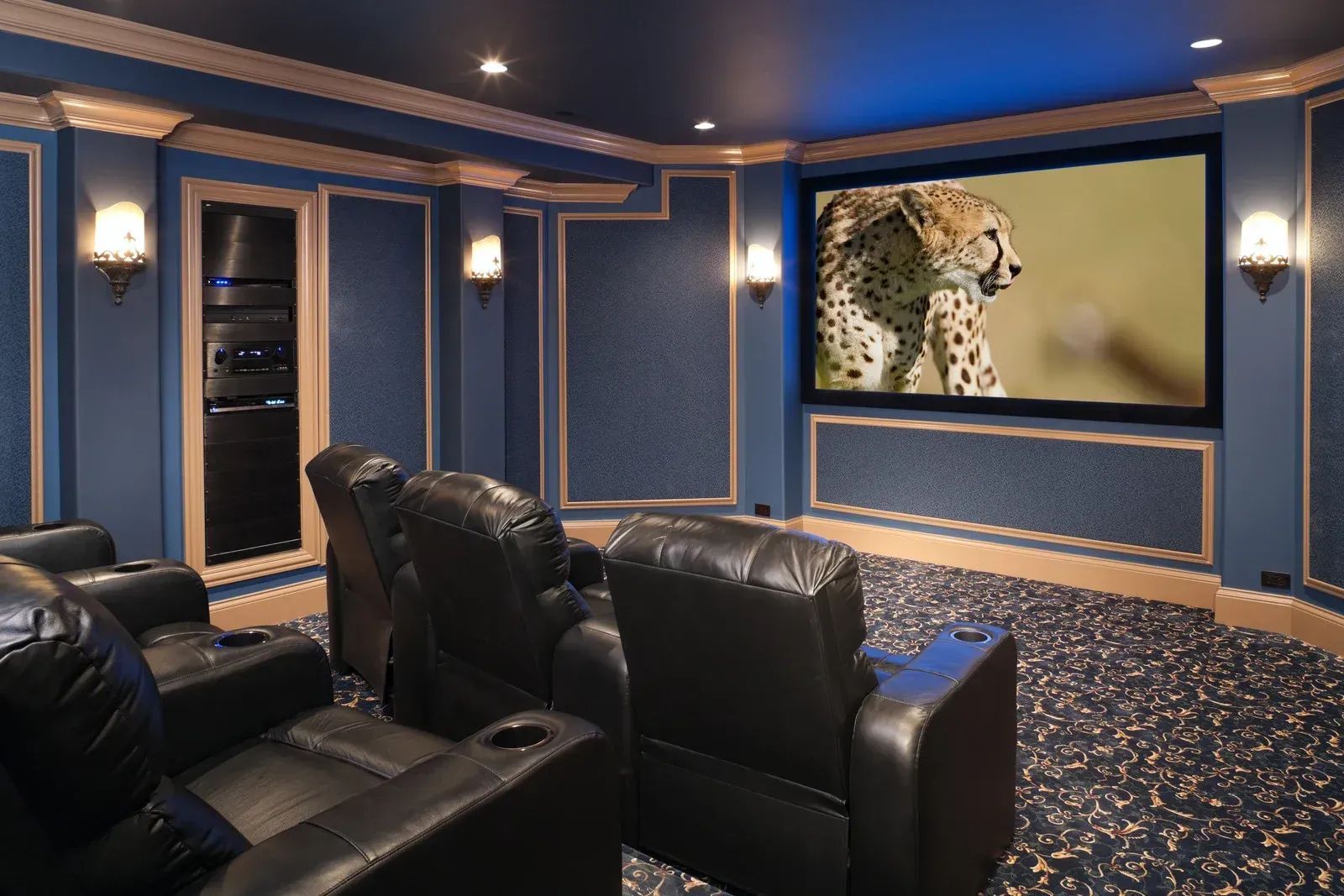
A finished basement can be designed as a highly flexible multi-purpose environment. Open layouts allow seamless combination of entertainment zones, fitness areas, and relaxation spaces within a single integrated design. This adaptability maximizes usability without requiring separate construction zones, enabling homeowners to customize the space according to changing lifestyle needs and functional preferences over time for evolving household requirements and usage needs.
Bedroom and Guest Suite Conversion
Adding bedrooms or guest suites in a basement significantly increases overall property functionality and livable space. Proper design requires compliance with egress window standards, ventilation systems, and insulation requirements to ensure safety and comfort. These additions provide valuable accommodation options for growing families or long-term guests while enhancing the home's long-term usability and market appeal in residential property development planning strategies.
Home Office and Productivity Spaces
Basement home offices provide privacy and separation from main household activity, making them ideal for remote work environments. Soundproofing, proper lighting, and ergonomic design enhancements create an efficient workspace that improves productivity and focus. These dedicated areas help maintain household balance while offering a professional setting that supports modern work-from-home requirements and long-term flexibility in contemporary residential workspace design planning standards and guidelines.
Enhancing Comfort Through Proper Finishing
Insulation and Climate Control
A finished basement must maintain consistent temperature control throughout the year to ensure comfort and usability. High-quality insulation in walls and flooring reduces energy loss and improves thermal efficiency. When combined with efficient HVAC distribution systems, the space becomes suitable for year-round living while reducing energy consumption and maintaining a stable indoor environment for improved residential efficiency and sustainability outcomes performance goals.
Lighting Design Strategy
Basements often lack natural light, making lighting design essential for functionality and comfort. Layered lighting solutions, including recessed fixtures, task lighting, and ambient sources, help create a balanced visual environment. Proper illumination improves perceived space, enhances usability, and reduces the closed-in feeling commonly associated with below-grade living areas while supporting overall design aesthetics in modern basement interior lighting planning strategies and approach methods.
Flooring and Material Selection
Material selection is critical for basement flooring due to moisture exposure and durability requirements. Moisture-resistant options such as vinyl, engineered wood, or sealed concrete provide long-lasting performance while maintaining aesthetic appeal. Wall finishes should also be chosen with humidity resistance in mind to ensure structural protection, visual consistency, and long-term maintenance efficiency within the space for durable and efficient basement finishes solutions.
Overcoming Common Basement Remodeling Challenges
Moisture Control Issues
Water intrusion is one of the most significant challenges in basement conversion projects. Without proper waterproofing systems, structural damage, mold growth, and long-term deterioration can occur. Professional drainage planning, sealing solutions, and moisture control measures are essential to ensure durability, safety, and long-term stability of the finished basement environment for long-term structural protection and residential safety performance outcomes in basement systems design.
Low Ceiling Constraints
Low ceiling heights can limit design possibilities in basement environments, but strategic planning can overcome these challenges effectively. Design techniques such as recessed lighting, light color palettes, and minimalistic finishes help create the illusion of greater height. These approaches improve spatial perception while maintaining functionality, comfort, and aesthetic balance within constrained structural conditions for optimized basement spatial design solutions implementation strategy approach.
Code Compliance and Safety Requirements
Building codes strictly regulate basement conversions to ensure safety, accessibility, and proper ventilation. Requirements often include emergency exits, egress windows, fire safety measures, and adequate airflow systems. Ensuring compliance from the beginning of the project helps prevent costly revisions, legal issues, and safety hazards while guaranteeing that the finished basement meets all occupancy standards and regulations for safe residential compliance outcomes.
Maximizing Return on Basement Investment
Increased Property Appraisal Value
Finished basements directly contribute to increased property appraisal values by adding significant usable square footage to a home. Additional livable space is one of the strongest value drivers in residential real estate, often resulting in high returns on remodeling investment. This improvement enhances overall market competitiveness and strengthens long-term property equity growth for sustained real estate investment performance benefits over time.
Rental Income Opportunities
A properly designed basement can function as a separate rental unit where local zoning regulations permit. This creates valuable passive income potential for homeowners while improving overall property affordability and financial stability. Rental-ready basements increase long-term investment returns and provide flexible housing solutions for tenants and property owners alike in competitive housing markets for enhanced residential income generation strategies, planning implementation approach.
Long-Term Lifestyle Enhancement
Beyond financial returns, a finished basement significantly enhances everyday living by providing additional space for relaxation, entertainment, and functional use. This added flexibility improves household organization and reduces space limitations in main living areas. Homeowners benefit from improved comfort, better spatial distribution, and increased adaptability that supports evolving lifestyle needs over time for improved residential living quality and adaptability planning design approach.
Reliable Remodeling Solutions Enhancing Every Basement Space
Gerrish Remodeling & Design operates with a strong focus on transforming underutilized residential spaces into fully functional and aesthetically refined environments. With extensive experience in home remodeling and basement remodeling, our approach is built on precision, structural understanding, and design excellence. Every project is guided by a commitment to maximizing usable space while ensuring durability, safety, and long-term value.
Located in Saco, Maine, we bring 15
years of industry experience in delivering tailored remodeling solutions that align with modern living standards. Our process emphasizes thoughtful planning, quality craftsmanship, and attention to detail at every stage of development. From initial assessment to final finishing, each
basement transformation
is handled with a structured and professional methodology designed to unlock the full potential of residential properties.