Signs Your Basement Needs a Renovation: What Homeowners Should Know
For many homeowners, the basement is an overlooked part of the home, often relegated to storage or left unfinished. Yet, this underutilized space holds immense potential. A well-renovated basement can expand living areas, increase property value, and provide a functional, comfortable environment for families. Recognizing the signs that your basement requires renovation is crucial to maintaining both the aesthetic appeal and structural integrity of your home. Ignoring warning signs can lead to costly repairs, decreased property value, and compromised safety. Moreover, an outdated or damaged basement can negatively affect indoor air quality and overall home comfort, while limiting the ways you can use this valuable space. Renovating early can prevent minor issues from escalating into serious problems, ensuring your home remains safe, comfortable, and visually appealing.
Basement renovations go beyond mere cosmetic upgrades. They involve addressing structural concerns, moisture control, and energy efficiency while enhancing the overall usability of the space. Homeowners often underestimate the indicators that a basement is no longer serving its purpose effectively. From water damage and mold growth to outdated finishes and poor lighting, identifying these signals early can save time, money, and stress. A thoughtfully renovated basement can also improve insulation, reduce energy costs, and create flexible living areas that meet evolving family needs. By investing in upgrades that combine safety, functionality, and modern design, homeowners can transform their basements into versatile spaces that complement the rest of the home while boosting long-term property value.
1. Water Damage and Moisture Problems
Signs of Moisture Intrusion
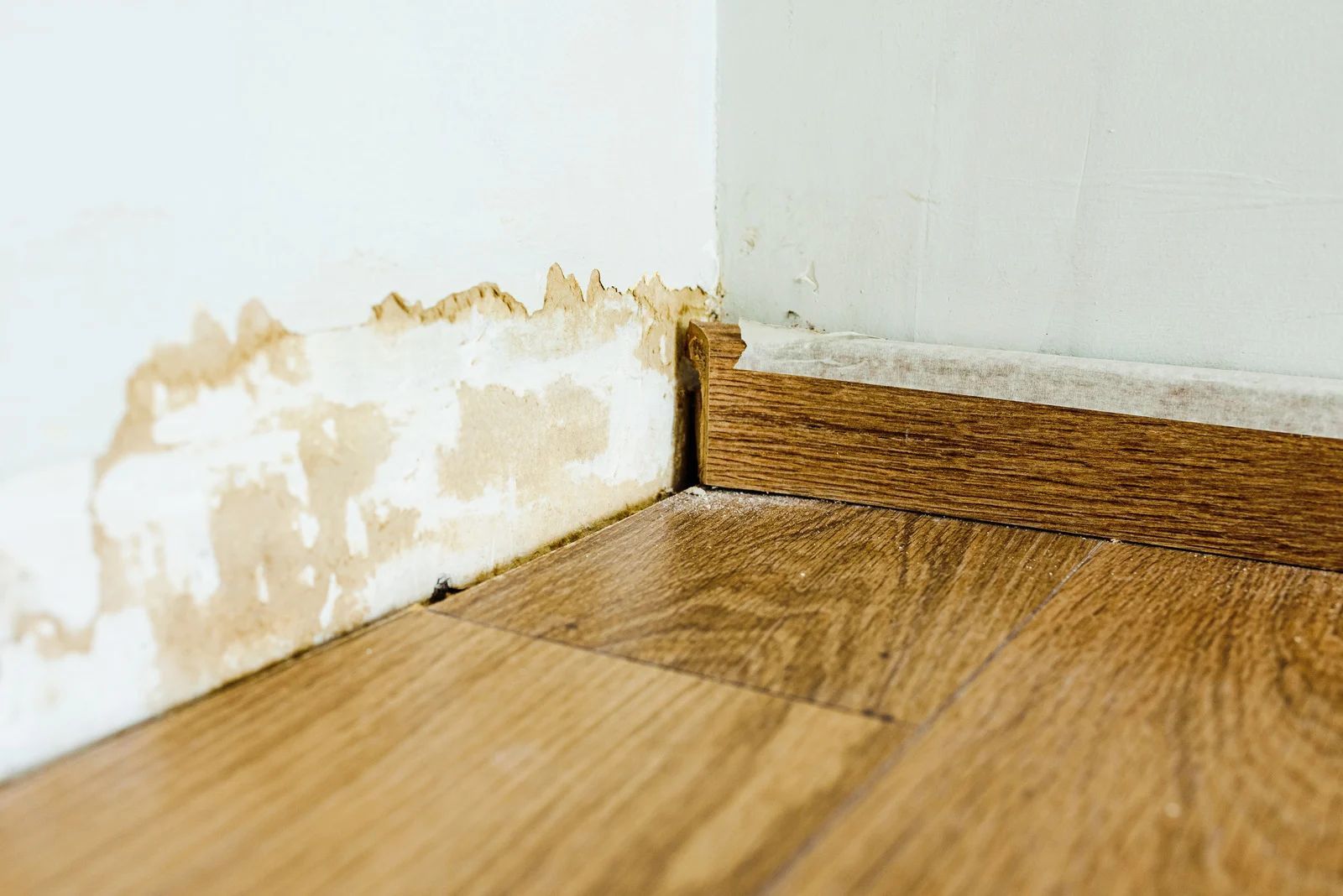
Water damage and excessive moisture are clear signs your basement needs renovation. Common indicators include damp walls, standing water, water stains on floors or ceilings, and persistent musty odors. Even minor leaks can escalate over time, potentially causing structural damage, mold growth, and costly repairs if left unaddressed.
Mold and Mildew Growth
Mold and mildew flourish in damp basement conditions, often hidden behind walls or in corners. Exposure can lead to respiratory issues, allergies, and skin irritation. Black, green, or white patches on surfaces signal urgent attention. Addressing mold through proper renovation protects health and preserves structural integrity, preventing further costly damage.
Prevention and Solutions
Basement renovations address moisture problems using waterproofing, improved drainage, and insulation. Solutions include installing sump pumps, sealing foundation cracks, and applying moisture-resistant coatings. By handling water intrusion proactively, homeowners protect flooring, furniture, and finishes, ensuring long-term safety, maintaining property value, and creating a comfortable, dry, and functional living space in the basement.
2. Structural Issues and Foundation Concerns
Cracks and Settling
Cracks in basement walls or floors often indicate structural stress. Hairline cracks may be harmless, but wide or expanding cracks suggest foundation problems. Uneven floors, bowing walls, or sticking doors also signal concern. Identifying structural issues early prevents further damage, ensuring the safety and stability of your home.
Safety Implications
Ignoring foundation issues can compromise home safety. Severe settling creates uneven load distribution, risking walls, floors, and ceilings. Renovations may include reinforcing walls, underpinning foundations, or repairing cracks professionally. Addressing these structural problems prevents costly repairs, improves stability, and ensures the basement is safe and suitable for living, storage, or functional use.
Expert Evaluation
Before renovating, a structural engineer or qualified contractor should evaluate your basement. Professional assessment identifies root causes rather than surface problems, ensuring repairs are effective and durable. Expert evaluation is essential for addressing cracks, uneven floors, or bowing walls safely, preventing future structural issues, and guaranteeing a successful, long-lasting basement renovation.
3. Outdated Design and Finishes
Worn Flooring and Walls
Basement finishes deteriorate over time, particularly in older homes. Cracked tiles, peeling paint, and stained carpets indicate a renovation is needed. Worn flooring and walls reduce usability and appeal, making the basement feel cold, dark, and uninviting. Renovating surfaces enhances aesthetics, functionality, and comfort for everyday use.
Inefficient Lighting
Basements often suffer from insufficient or outdated lighting, making spaces appear cramped and unwelcoming. Effective renovation incorporates layered lighting—ambient, task, and accent lights—to brighten rooms and improve functionality. Upgrading fixtures and optimizing placement creates a comfortable, visually appealing environment that enhances safety and usability for various activities.
Benefits of Updating Aesthetics
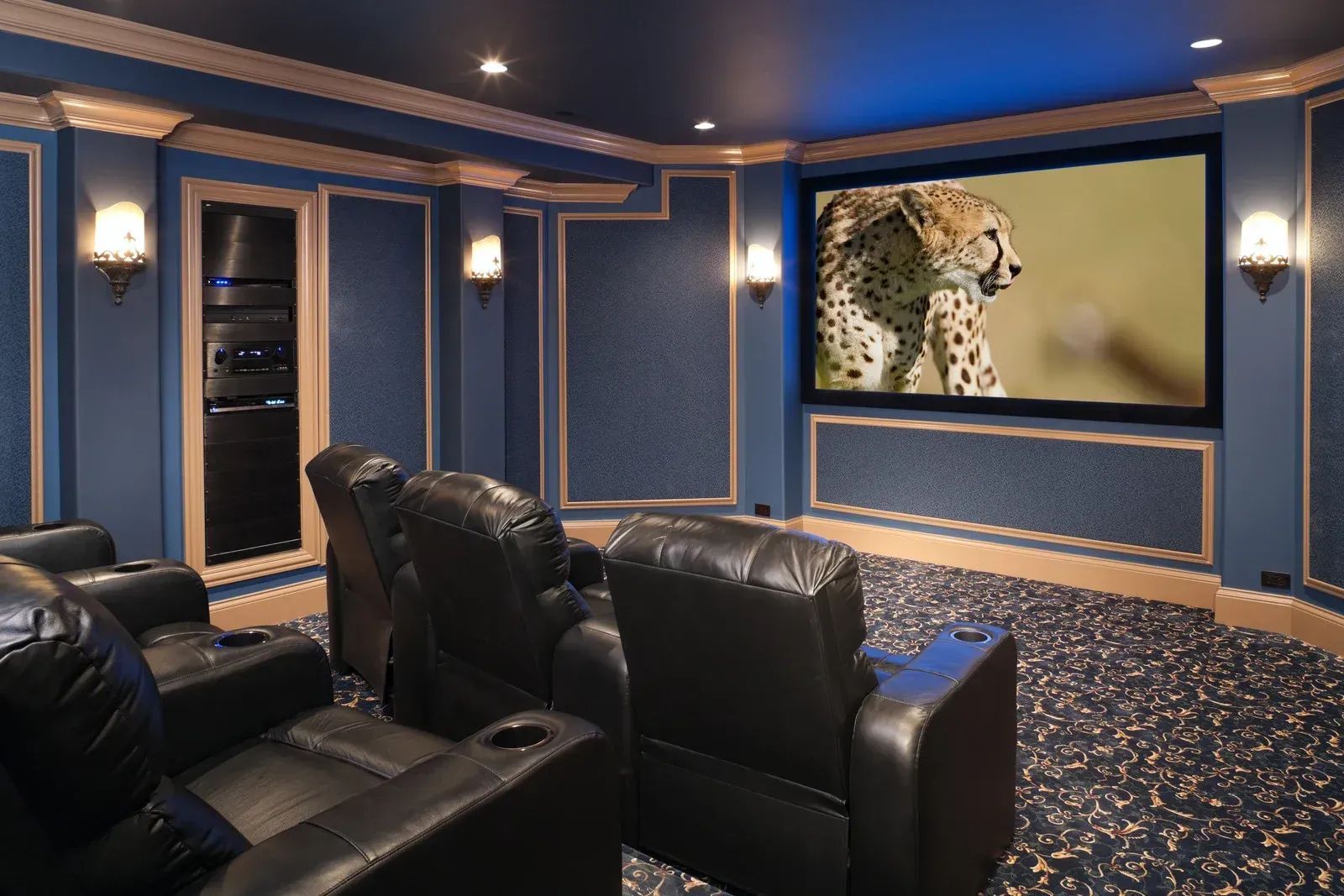
Updating basement aesthetics transforms it into a multi-functional, inviting space. Modern finishes, new flooring, and strategic lighting can accommodate home theaters, offices, or recreational areas. Renovations increase comfort, usability, and property value, while also creating an environment that complements the rest of the home’s design and allows homeowners to maximize their basement’s potential.
4. Poor Energy Efficiency
Temperature and Humidity Control
Basements often experience temperature extremes and high humidity, making them uncomfortable and inefficient. Drafty windows, insufficient insulation, and aging HVAC systems contribute to energy loss. Poor climate control increases utility costs and damages finishes. Renovating the basement with energy-efficient solutions addresses these issues while improving comfort and long-term functionality.
Renovation Solutions
Energy-efficient basement renovations may include adding insulation to walls and ceilings, replacing windows and doors, and upgrading HVAC or ventilation systems. Incorporating energy-saving appliances and LED lighting further reduces operational costs. These solutions create a comfortable, usable space that maintains temperature consistency and minimizes humidity while reducing long-term energy expenses.
Long-Term Benefits
Energy-efficient renovations improve comfort, reduce bills, and protect materials from humidity or temperature damage. A well-insulated basement supports everyday living and long-term investments. Proper heating, cooling, and ventilation are critical when finishing basements as living areas. Thoughtful planning ensures efficiency, safety, and durability, increasing usability and enhancing the home’s overall energy performance.
5. Functional Limitations
Space Utilization Challenges
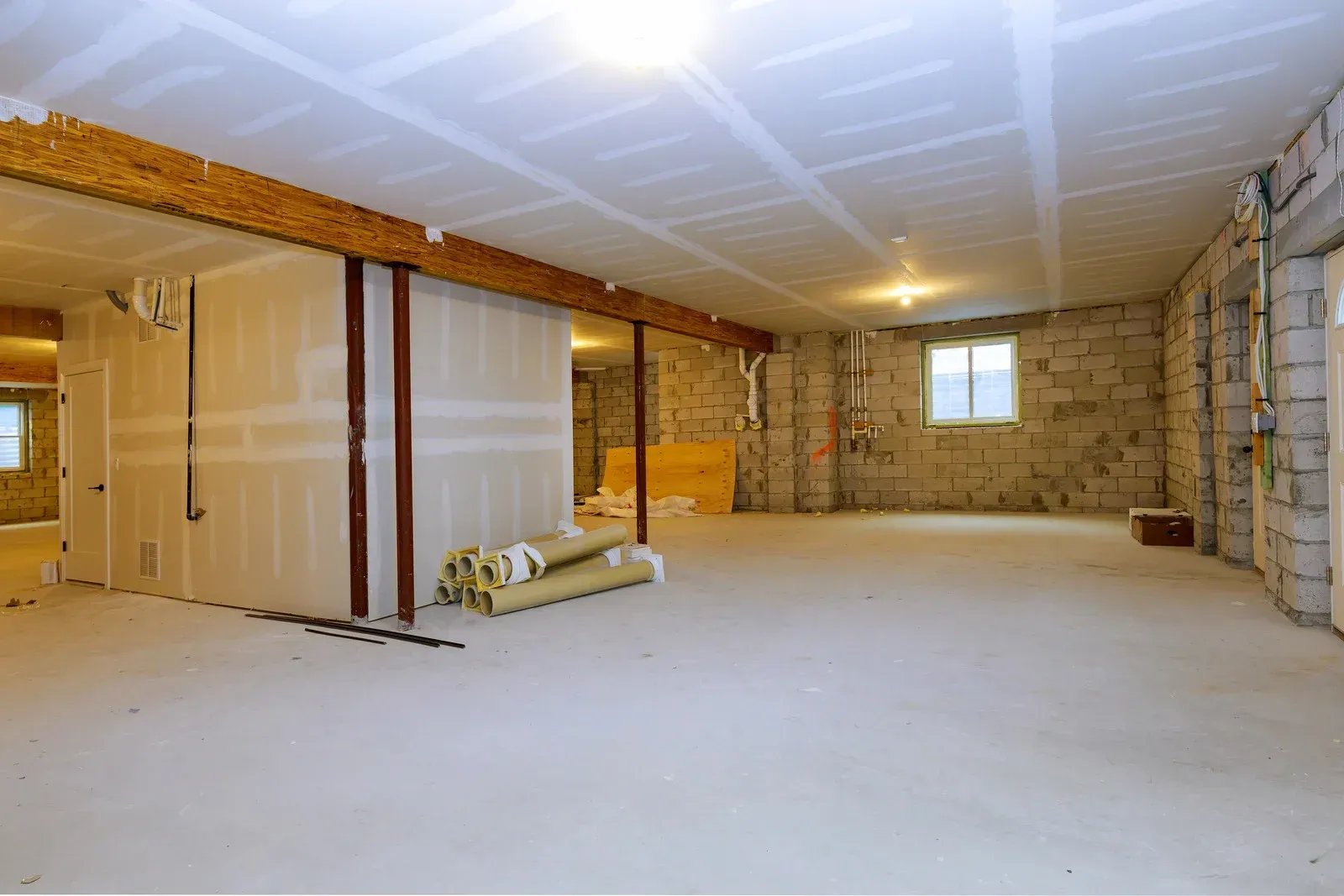
Basements often remain underused due to awkward layouts, low ceilings, or limited accessibility. Renovations optimize floor plans to improve flow, add storage, or create functional areas like laundry rooms and recreational spaces. Proper design allows homeowners to maximize usable square footage while addressing existing structural or aesthetic limitations effectively.
Adding Modern Amenities
Modern basement renovations can include full bathrooms, wet bars, home theaters, or fitness spaces. Thoughtful planning ensures each area is functional while maintaining open flow and accessibility. Adding amenities increases comfort, livability, and versatility, transforming previously neglected basements into attractive, practical, and enjoyable areas for family activities or social gatherings.
Increasing Home Value
A functional basement significantly enhances property value. Finished basements attract buyers seeking versatile living space, offering additional bedrooms, offices, or entertainment areas. Renovations that improve usability and aesthetics often provide a strong return on investment. Well-designed basements increase resale potential while creating long-term functional benefits for homeowners and families.
6. Safety Concerns
Electrical and Plumbing Issues
Outdated wiring, exposed outlets, and leaking pipes create safety hazards in basements. These issues can cause fires, water damage, or electrocution. Renovations addressing electrical and plumbing systems reduce risks, ensure code compliance, and provide safe, reliable infrastructure. Updated systems protect both residents and property.
Emergency Egress
Basements intended for living spaces must provide safe emergency exits. Proper egress includes windows or doors that meet local safety codes. Renovation ensures compliance, protecting occupants during emergencies such as fires or floods. Safe exits are essential when converting basements into functional living areas, making renovations critical for family safety.
Fire and Carbon Monoxide Risks
Basements frequently house furnaces, water heaters, and other appliances. Proper ventilation, fireproofing, and carbon monoxide detectors are essential for safety. Renovation addresses these risks, ensuring compliance and reducing hazards. Professional teams prioritize life safety by updating systems, materials, and layouts to create a secure, habitable basement space.
7. Signs of Pest Infestation
Rodents and Insects
Basements are prone to pest infestations due to dark, damp conditions. Rodent droppings, insect sightings, or gnaw marks signal immediate attention. Pests can damage property and pose health risks. Identifying infestations early and renovating affected areas prevents recurring problems while maintaining a clean and functional basement environment.
Prevention Through Renovation
Renovation prevents pest entry by sealing cracks, improving drainage, and installing moisture barriers. Professional basement upgrades reduce vulnerability to rodents, insects, and other unwanted visitors. Proper planning, design, and construction methods ensure long-term prevention, creating a safe, hygienic, and secure living space for families and homeowners.
Ongoing Maintenance
Renovation alone is insufficient without ongoing maintenance. Regular inspections, cleaning, and pest control ensure the basement remains pest-free and functional. Homeowners benefit from preventive measures integrated during renovations, protecting investments and promoting safety, hygiene, and comfort while extending the life and usability of the finished basement.
Trusted Renovation Professionals for Every Basement Project
Recognizing when a basement needs renovation is essential for homeowners seeking to enhance safety, comfort, and property value. From water damage, structural issues, and outdated finishes to energy inefficiencies, functional limitations, and safety hazards, early detection of these signs allows for timely intervention. Renovating a basement not only resolves existing problems but also transforms underutilized spaces into attractive, functional areas that complement the home’s overall design.
For homeowners in Saco, Maine, Gerrish Remodeling & Design
offers 15
years of
expert basement renovation
experience. Our team specializes in transforming basements into safe, modern, and energy-efficient living spaces, combining functionality with aesthetic appeal. With meticulous attention to structural integrity, design innovation, and client-focused solutions, we ensure every project delivers lasting value. Whether upgrading for lifestyle enhancement or increasing resale potential, Gerrish Remodeling & Design
is a trusted partner for homeowners seeking quality craftsmanship, reliability, and expert guidance throughout every stage of the renovation process.